
Last Updated on 11.12.2025 by Danylo T
I have been following email shift over the years, but 2026 is different. You can almost feel the guardrails closing. Users expect more privacy. Platforms require additional authentication. Even small businesses are under pressure to send emails that are not only useful, but also cleaner, safer and easier to trust. And that is not bad, really. When you take privacy seriously and strengthen your personal security, your emails land better. People open them more and your business looks sharp.
Contents:
- Privacy policies become stricter and user demands increase
- Security gets personal for small businesses
- The mailbox providers are tougher than ever
- You need clean data or your list will collapse
- Consent is the strongest currency in 2026
- Your design should guide the eye, not overwhelm it
- Segmentation grows more important as targeting shrinks
- Automation becomes smarter, but warmer
- Security practices correlate with your inbox trust
- Your email ecosystem matters more than the email itself
- What I expect in the next two years
I have put this guide together to take you through what is coming in 2026 and what you must do to keep ahead of the game without thinking of all the technical details.
Let us dig in.
Key Takeaways:
👉 Users expect to know what data you collect and why, and brands that communicate this openly build stronger trust and better engagement.
👉 Stable login patterns, proper authentication (SPF, DKIM, DMARC), and consistent sending behavior help small businesses avoid spam filters.
👉 Regular data cleaning, removing inactive subscribers, and respecting consent lead to higher inbox placement and healthier sender reputation.
👉 Shorter, conversational emails combined with simple segmentation outperform complex tracking, especially as privacy restrictions increase.
Privacy policies become stricter and user demands increase
Privacy was this unclear notion that was floating on the policy pages. It is now the driving force behind the performance of your emails. You see it everywhere. The shift began with Apple changing its mail privacy. Gmail and Yahoo asked senders to follow strict guidelines in 2024 and this was followed by other countries in 2025. According to the International Association of Privacy Professionals, adoption of privacy laws increased by a certain percent during 2023-2025. The pace is not going to reduce in 2026.
Users demand transparency regarding the information you gather and its purpose. The unexpected thing is that this expectation cuts across age groups. Research by Thales in 2025 concluded that 82 percent of consumers indicated they would abandon a brand once they feel somehow apprehensive about what happens to their data.
This is important to your email list. Individuals will not give out data unless they believe in you. This way the trust builds even before sending the email.
Security gets personal for small businesses
Security used to be something that only large organizations had to deal with. Small businesses are right in the limelight today since inbox providers treat them equally. You trigger more spam filters when your sending behavior appears to be unstable. When your team is remotely operating from different networks and even different countries, the login patterns may appear suspicious. To prevent such noise, I have witnessed numerous small groups download a dedicated IP VPN to maintain uniform logins, particularly in cases where they operate in different locations.
A stable login pattern makes your account more legitimate. Security is not a background activity anymore. It belongs to your deliverability strategy. I will demonstrate the way the pieces fit.
The mailbox providers are tougher than ever
I had a feeling that this was merely the beginning when Gmail and Yahoo declared new rules for bulk senders in 2024. Such checks are going to be more restrictive in 2026 and even smaller senders will feel the heat.
You have to follow these requisites:
- Valid authentication: your emails should follow authentication protocols like SPF, DKIM, and DMARC.
- Easy unsubscribe: One-click removal button must be there.
- Low spam complaints: These should remain under 0.3 percent.
- Clean IP reputation: The patterns should not be suspicious.
Reports indicate that authenticated emails reach in the inbox more often, no wonder. Machines believe the things they can confirm. In 2026, you will keep asking yourself why your open rates are declining unless you apply authentication. It is not about your subject lines. It is your foundation.
You need clean data or your list will collapse
I have learned over the years that good email strategy is corrupted by dirty data. It does not matter how pretty your design is. A data that is corrupt will affect deliverability.
So, I clean my list more frequently than I used to, and you should too.
A 2025 Validity study says almost 20 percent of the subscriber information gathered by a small business was erroneous, nonfunctional, or recycled account. Bounces are caused by those dead subscribers, and that tarnish your reputation. And when your reputation falls, it is all war.
I have a simple rule:
When a person has not read your emails in six months, delete them or execute a brief win-back strategy. And in case they remain silent, cut them. Your list demands respect.
Consent is the strongest currency in 2026
People forget that actual permission is potent. Once a person selects you, the relationship is different. They expect transparency. They expect value. And they want you to safeguard their information. Another study conducted in by McKinsey indicated that customers are more likely (71 percent) to interact with a brand when consent feels respected and transparent. I have witnessed that in my own campaigns. When you begin with acquired attention, as opposed to bought attention, the statistics go up.
- Make signup forms honest.
- Make people know what they are going to get and when.
- Give them choices.
- You will create a better and more sensitive list.
Content now needs a lighter, more personal touch. Gone are the days of long, heavy, corporate emails. Individuals read e-mails just like they read texts. Quick. On the move. Half distracted. So, I keep my message ambitious, to the point, and conversational. This way your readers stay with you. That is going to be particularly true in 2026, as attention spans do not grow abruptly.
An analysis from Boomerang tells us that emails containing around 50-125 words are more likely to receive a response, especially in outreach and updates. I am not suggesting you shrink every newsletter to that size, but you get the idea. People prefer clarity and they respect speed.
People trust you without hesitation when your message is self explanatory.
Your design should guide the eye, not overwhelm it
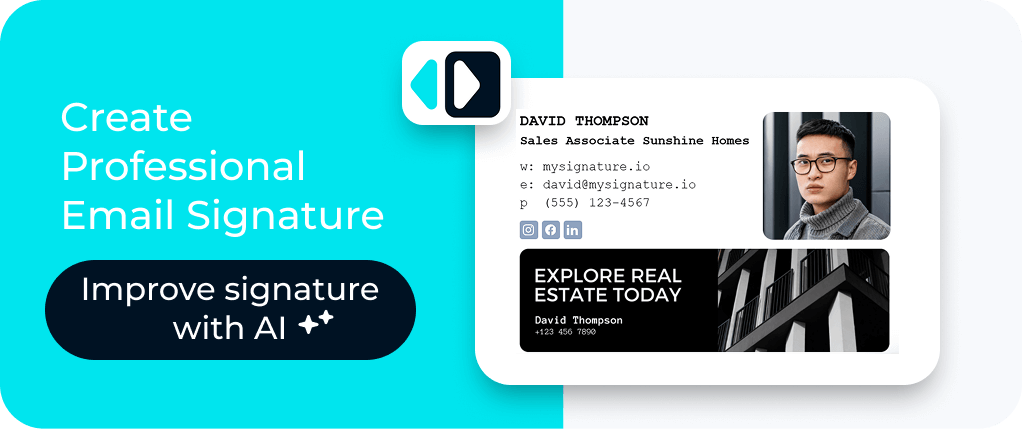
I am a huge fan of plain images that can take a reader where you desire them to be. Your email signature has more significance than you perceive.
is important in a greater sense. It is an indication of professionalism, identity, and provides readers with a fast way of checking your links. But today design is not only about the appearance. It concerns its suitability to the privacy-first world we live in. When requesting data, use less forceful wording. Be transparent in your calls-to-action. And be honest in what you keep track of in your emails.
Transparency lands well.
Segmentation grows more important as targeting shrinks
More privacy restrictions, however, do not necessarily give you the freedom to track as you used to do so several years ago. So the strength shifts to segmentation. You classify individuals according to their behavior, curiosity, and need.
I have discovered that basic segmentation like differentiation between new readers and long-term customers increase clicks more readily than complex regulations. And you do not have to have mountains of data. All you need is to attend to what people are already doing.
Klaviyo benchmark shows small businesses earn three times extra revenue every send in segmented campaigns compared to unsegmented. It is an enormous increase for something that can be installed in an afternoon.
Automation becomes smarter, but warmer
You do not require hundreds of pathways that are automated. That is a trap. What you require are some solid well-built sequences that handle people like people.
- The welcome sequence.
- The abandoned-cart reminder.
- A seasonal nudge.
- A product-update note.
These can do it better than most of the sophisticated tools when they are well written.
The automation should be real and not robotic to work in your favor.
Security practices correlate with your inbox trust
And now, we are going to discuss security in a practical manner. I have been involved in teams where security was a mere piece of paper. You check boxes and move on. However, in the modern world, security has a direct influence on whether your emails make it into inboxes.
The following habits assist the majority of small businesses:
- Stable login patterns are a must for remote teams.
- Keep records of authentication and update them on an annual basis.
- Do not use free public WiFi to send out newsletters.
- Keep everything within a business domain.
- Check spam complaints once a week.
All these will keep your sender reputation clean.
Sending patterns that appear frantic – different countries, networks and unusual time – may block you fast. A stable IP access can solve this issue though.
Security is no longer a department.
It is a daily behavior.
Your email ecosystem matters more than the email itself
Inbox providers will examine your entire digital presence in 2026.
Not just one message.
They look at:
- domain age
- sending history
- publishing consistency
- complaint ratio
- unsubscribe clarity
- website health
- security patterns
If any of these pieces fall apart, your emails pay the price. So I tell businesses this simple truth:
Email marketing is the output of everything you do, not just how you write. You can not separate strategy from behavior.
What I expect in the next two years
In my opinion, we are moving toward an email world in which trust is everything. Not clever subject lines. Not fancy templates. Trust. More brands will be vocal about privacy. Inconsistent marketing will be dismissed by more users. More platforms will demand authentication. More small firms will strengthen security.
I would also like inbox providers to refer to more behavioral cues. To illustrate, the frequency at which your readers scroll, save your emails and the speed at which they delete messages once opened. These micro-signals are already present in the discourse of deliverability, and they are likely to influence the filtering systems to an even larger extent by 2027. It means your content must attract attention, not simply be in the inbox. And honestly, I am glad. Better defined rules make good senders victorious.
Final thoughts
In 2026, you will not have to have complex systems to make email work in your small business. You must have fundamentals done very well. You need clean data. You need human writing. You need to maintain a stable sending behavior. You need honest consent. And you must have a message that speaks like an individual, not a machine.
And I will include this one thing, small businesses that adhere to clean, predictable sending routines are likely to grow more quickly as they do not have to undergo constant reputation re-sets. I have seen brands increase their open rates by two times within less than a year by correcting only their consistency. This is easy to say and execute because inbox providers do not reward anything except stability.
You will have to do those things and your emails will work. People will trust you. With fewer efforts, your list will expand. And every send will give your business a boost of confidence.