Last Updated on 22.10.2026 by Danylo T
To be honest renting a place is stressful. Be that as it may be, whether you are a tenant trying to decide on whether a listing is authentic or a landlord trying to decide on whether the person making an inquiry is of any relevance, there is always that layer of uncertainty. And what is the single thing which slices through that uncertainty as nothing? Communication.
Not fancy features. Not slick design. Just clear, honest, timely communication.
This might sound simple, but it’s something a surprising number of rental platforms still get wrong. And when they get it wrong, they don’t just lose a user they lose their reputation. In real estate rentals, reputation is basically everything.
Why Trust Is So Hard to Build Online
Think about what’s actually happening when someone rents a property through an online structure. A stranger is giving a stranger hundreds, even thousands of dollars, to visit a place that they typically only saw in pictures. No hand shake, no one-on-one meeting, no friend of one party vouching on behalf of the other.
That’s a lot of faith to ask of people.
And yet millions of rental transactions happen online every single day. Why? Because certain platforms have figured out how to make people feel safe. They’ve figured out that every single message, every automated email, every in-app notification either adds to that feeling of safety or chips away from it.

It’s not dramatic. It’s just consistent, thoughtful communication done over and over again until the user thinks “okay, I trust this platform.”
The rental platforms that struggle? They treat communication as an afterthought. They send confusing emails, their listings are vague, nobody responds to messages for 48 hours and there’s no clear explanation of what happens if something goes wrong. Users feel in the dark, and when people feel in the dark, they leave. Property managers can’t answer every late-night inquiry, but knowing how AI receptionists work helps them decide which calls, texts, and chats to automate around the clock.
What “Good Communication” Actually Looks Like in Rentals
This is where practice comes in. Effective communication in a rental building is not about a more advanced communication system or making the most notification. It’s about making users feel informed and regarding at each step of the process.
Take listings, for example. A listing that has clear photos from multiple angles, an honest description of the space including its quirks, a straightforward breakdown of costs (rent, deposit, utilities, any hidden fees), and a clear explanation of the application process that listing communicates trustworthiness before the landlord has even said a word. The tenant has already been made to feel that he/she is getting into what he/she knows.
Now compare that to a listing with three blurry photos, a description that says “cozy and convenient” and nothing else, and a price that somehow doesn’t include the utilities mentioned three lines down. What does that communicate? At best, laziness. At worst, something to hide.
The platform that allows or worse, encourages the second type of listing is actively damaging its own brand every time someone posts like that.
Response time is another big one. As shown in research in both short term and long term rental markets, the response speed of a landlord, platform support team, or AI voice agent for real estate has been shown to be one of the most important aspects in determining whether a tenant will continue with an inquiry. The message conveyed by a quick reply is: I am serious, I am available and I respect your time. A 3-day silence communicates the opposite, obviously.
The Brand Is Built in the Small Moments
There’s a tendency in business to think of “branding” as the big stuff: the logo, the marketing campaign, the company values statement on the website. But in rental platforms, the brand is really built in the small moments that most companies don’t even think about.
What does your error message say when a payment fails? Is it a cold “Transaction unsuccessful. Try again.” or something that actually helps the user understand what happened and what to do next?
How does your confirmation email appear when a person makes a viewing? Is it a bare bones invoice or does it seem like a warm professional confirmation that they have made the right choice?
So what would be the case in case of a disputed between a tenant and landlord? Is the platform silent and leave the two sides of the line to strain, or does it enlighten us as to what is going on, when and what to expect?
Such moments are not glamorous, but the ones that the users remember.
These moments don’t feel glamorous, but they’re the ones that users remember. A person might forget a nice homepage design within minutes. They will not forget being left completely in the dark during a stressful rental dispute, trust me.
Tools like MySignature offer email signature templates built specifically for real estate agents and property managers, covering everything from brokerage details and professional certifications to a CTA linked directly to active listings or a scheduling page.
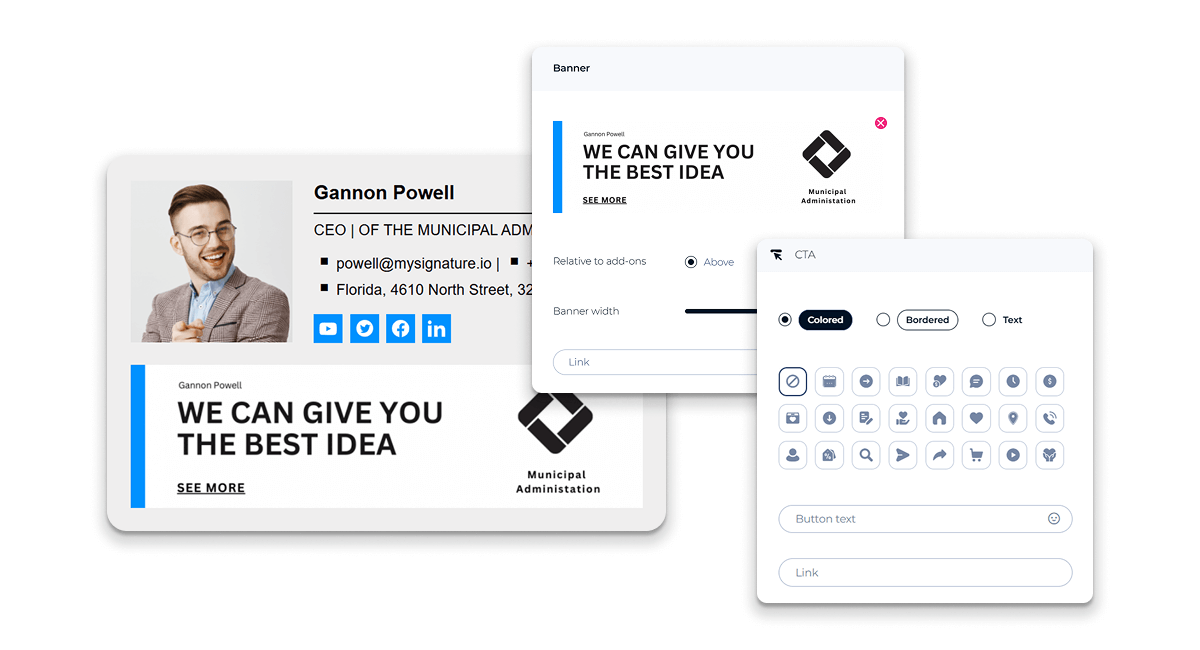
For larger platforms where dozens of agents are interacting with tenants daily, standardizing that signature across the whole team through something like MySignature’s professional branding suite creates a consistent, credible front-facing identity that no amount of homepage polish can substitute.
Peer-to-Peer Rentals Change the Communication Game
The growth of peer-to-peer rental platforms over the last several years has added a fascinating layer to all of this. In the conventional agency arrangement the communication process is more or less negotiated as you talk to the agent and he talks to the landlord and information flows through the ranks and is lost or distorted in transit.
The tenant and the landlord were direct shareholders in a peer-to-peer model. And that alters all that.
On the one hand, it establishes a more authentic connection. Tenants have the option to inquire of the landlord directly on issues which relate to the neighborhood, the parking situation, the neighbor who is making a noise. The landlords will be able to have a real feel of who is applying to reside in their property. When this works well, it creates a level of trust that no middleman arrangement can really replicate.
On the other hand, it places enormous pressure on the platform to provide the right communication tools and guardrails. Direct communication between strangers can go sideways pretty quickly without proper verification systems, clear community guidelines, and a review infrastructure that holds both parties accountable.
The best peer to peer rental platforms have understood this balance. They’ve built systems where direct communication is encouraged, but within a structure that protects both sides. Verified profiles, transparent review histories, and in platform messaging rather than just handing out personal phone numbers straight away are all ways of saying to users: “We want you to connect directly, but we’ve built a safe space for that to happen.”
That safety infrastructure is itself a form of communication. It tells users: we thought about what could go wrong, and we planned for it.
Mobile Apps and the Expectations of Today’s Renters
There’s no getting around it. The majority of people searching for rental properties today are doing it on their phones. And they’re not just browsing. They’re messaging landlords, submit applications, signing documents, and making payments, all from their smartphones.
This is why renting apps have become such a critical part of the rental brand experience. This is why renting apps have become such a critical part of the rental brand experience. The app is often the primary, sometimes the only place where communication happens between the structure and its users. If the app communicates poorly, the brand feel regardless of how good the website looks or how powerful the marketing copy is.

What does poor communication look like in a rental app? Confusing navigation that leaves users unsure where to find their messages. Push notifications that are either overwhelming or completely absent at moments when the user actually needs an update. In app chat that crashes or delays messages. Document upload processes that fail without clear explanation. Payment screens that don’t confirm transactions properly.
Every one of these failures is a communication failure. And renters, especially younger renters who are used to apps that work flawlessly, have very little patience for them.
On the flip side, a rental app that communicates well becomes almost indispensable. Real time notifications about new listings that match your guidelines. Instant read receipts so you know your landlord saw your message. Step by step guidance through the application process. Clear progress indicators on your rental status. Accessibility matters here too, as a document accessibility sdk can support screen-reader and keyboard access across lease and signing workflows. Simple, readable lease summaries instead of walls of legal text.
An app that nails these things doesn’t just work well it builds genuine loyalty. Users stop thinking of it as just a tool and start thinking of it as a reliable partner in what is, for most people, one of the most stressful processes of their lives.
Reviews Are Communication Too
Taking a moment to consider reviews is valuable since it is among the least utilized communication tools in the rental space.
When an ex-tenant writes a thorough and honest review about a property and a landlord mentions what was great, what has been frustrating, how fast they managed to solve care issues they are having a one-on-one conversation with all future tenants who read that review. It is not written a single word on the platform, but it is exerting a greater influence than any official brand message over what a new user chooses to do.
This is the reason why the most reliable rental sites are spending a lot of money to ensure that their review systems are strong, authentic and unbiased. They allow tenants to leave reviews easily, enable landlords to reply, and they do not filter negative reviews or overrate positive ones. Since they know that the honest voices of their community will be more persuasive than anything the marketing team will ever write.
Platforms that manipulate or ignore reviews are making a very short-sighted trade. They may guard themselves against some bad bits of feedback today but they are gradually wrecking the very thing that makes their platform a worthwhile tool to use in the first place, the capability of users to trust what they read there.
Consistency Across Every Channel
One more thing worth mentioning is stability. A rental platform might transmit beautifully through its app but have a customer support email that sounds like it was written by a completely different company. Or their social media voice is friendly and friendly, but their lease agreements are so dense and literal that users feel attacked.
These inconsistencies confuse users. They create a broken brand experience that subtly weakens trust even when nothing overtly bad has happened.
The platforms that get this right think about message comprehensively. The same core values clarity, honesty, and concerning for the user should show up whether someone is reading a push notification, talking to a support agent, or explore the fine print of a rental agreement. That stability is what maked a brand feel real and trustworthy rather than like a polished outside covering something doubtful lower.
Final Thoughts
Rental platforms live or die by trust, and trust is built or broken through communication. Not just the big, plain stuff like record quality and response times, but the dozens of small moments throughout a user’s journey that together shape how they feel about the platform.
The platforms investing seriously in communication, the ones that think carefully about every message, every notification, every word on every screen are the ones building real brands. They’re the ones users come back to, recommend to friends, and genuinely rely on during one of the most significant decisions of their everyday lives.
In an industry where so many platforms offer similar features at similar price points, communication might just be the most powerful differentiator of all. And honestly, that’s not going to change anytime soon.