
Last Updated on 13.03.2026 by Vasyl Holiney
Using AI for email marketing has become something of a phenomenon in recent years. With just under half of all email marketers now claiming that they use AI to generate email marketing campaigns, it’s no surprise that automated strategies have taken centre stage.
From smart segmentation to time-saving automation, there’s no doubt that AI-powered email marketing could revolutionize how you target your subscribers.
Key Takeaways:
👉 AI for email marketing helps brands boost engagement by delivering personalized content, optimized send times, and smarter segmentation at scale.
👉 AI-powered email marketing tools automate repetitive tasks while improving open rates, click-through rates, and conversions using behavioral data.
👉 Advanced AI tools for email marketing enable hyper-personalization, from tailored product recommendations to dynamic subject lines.
👉 Email marketing automation powered by AI ensures messages reach the right subscriber at the right time, increasing relevance and inbox visibility.
👉 In 2026, successful email strategies will balance AI-powered automation with human oversight to maximize engagement without losing authenticity.
In this article, we’ll take a deeper dive into the benefits of using AI for email marketing and a closer look at some of the most profitable AI applications for increased engagement in 2026.
Contents:
- What Are The Benefits of Using AI For Email Marketing?
- 5 AI Applications for Email Engagement
- How to Use AI For Email Marketing in 2026
What Are The Benefits of Using AI For Email Marketing?
Using AI tools for email marketing has become second nature for most forward-thinking brands.
With the ability to enhance personalization and boost engagement in half the time it takes to create a manual campaign, AI-powered email automation is a no-brainer, and Automating Web Scraping further enhances workflows by scaling data collection for smarter engagement strategies.
In 2026, nine out of 10 marketers want AI to take on their email marketing operations.
Introducing AI for email marketing is not only going to save your team time, but with data-driven optimization on your side, you’re likely to see your open-rate stats increase and your conversions climb as a result.
Here are just a few of the benefits of using AI for email marketing:
- Smarter Audience Segmentation: Is your segmentation strategy struggling to stay ahead of changing consumer behaviour? AI can identify those complex behavioural patterns in real-time, creating dynamic segments that match evolving online trends.
- Next-Level Personalization: Using AI tools for email marketing is the key to creating a truly unique experience for your subscribers. In an era where 71% of consumers expect personalized email interactions, your brand can use AI to tailor content, product recommendations, and language to individual behaviors and preferences, increasing relevance and connection.
- A Solution For Repetitive Tasks: Investing in AI for email marketing could eliminate the time it takes to handle repetitive tasks such as content scheduling and managing follow-ups. Time-saving automation is one of the most celebrated benefits of using AI-powered email marketing tools, freeing your team to focus on creative work.
- Increased Conversions: Automated email campaigns deliver the right offer to the right subscriber at the right time. Backed by behavioral analytics, AI tools create campaigns that speak directly to a customer’s needs, increasing clicks and conversions as a result.
- Safeguarding Sender Reputation: Your team can also use AI to improve email validation and keep your campaign out of the spam box. Using AI to craft hyper-relevant subject lines and content, you reduce spam flags and safeguard your brand reputation in the inbox.
Could AI-Powered Automation Boost Campaign Engagement?
Using AI for email marketing is also crucial if you want to boost campaign engagement.
With the ability to optimize subject lines to attract clicks and segment your audience into precise micro-groups, AI tools can help you create an email campaign that is irresistible in the inbox.
Take Amazon, for example. The e-commerce giant employs machine learning to add personalized product recommendations to each and every message.
Using customer journey mapping, Amazon’s AI-powered email system helps the brand identify key opportunities to deliver personalized content.
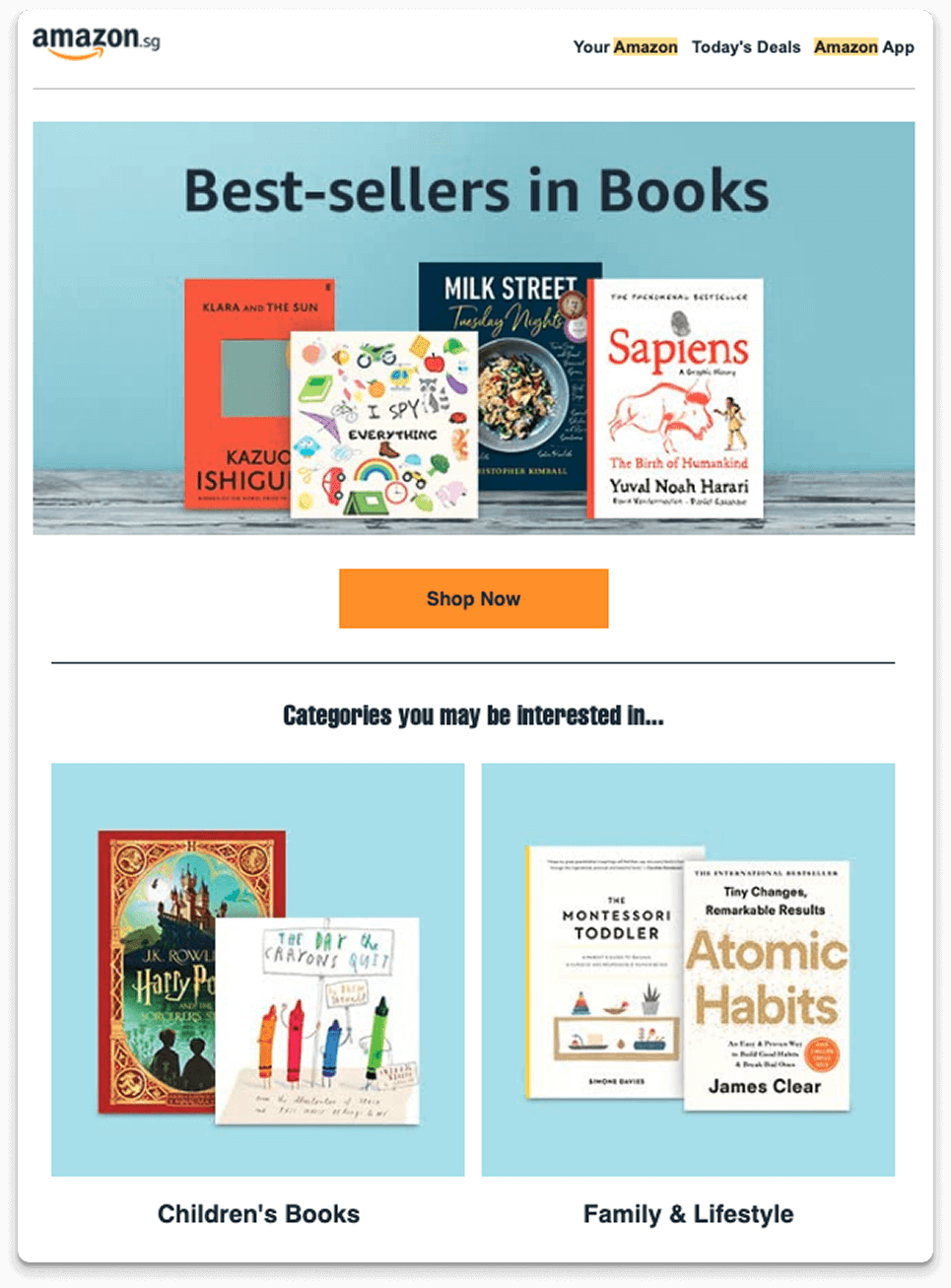
image source: email mastery
According to a study by Gartner, including personalized product recommendations alone could see email engagement increase by up to 25%.
Further studies by McKinsey found that using AI-powered personalization was also the key to increasing conversions by 10% and customer retention by up to 20%.
5 AI Applications for Email Engagement
Now that we’ve covered the benefits of using AI for email marketing, let’s take a closer look at five AI applications you can use to improve inbox engagement.
Hyper-Personalization
Let’s start with the best engagement enhancer, hyper-personalization. There’s no doubt that speaking directly to your individual subscribers is the best way to gain their trust and long-term loyalty.
AI-powered email marketing tools like Persado and Seventh Sense improve inbox personalization by tailoring email content for each recipient based on their browsing history, purchases, and interactions with your brand.
This makes it easy for you to suggest specific products or services to each reader, making your email marketing strategy more relevant to their unique needs.
Endy is a great example of a brand that uses AI for email marketing to deliver personalized content to its subscribers.
Employing an AI-powered algorithm to analyze each of their subscribers’ shopping habits, Endy then uses recommendation software to include items in their email promotions that subscribers have shown interest in or interacted with previously.
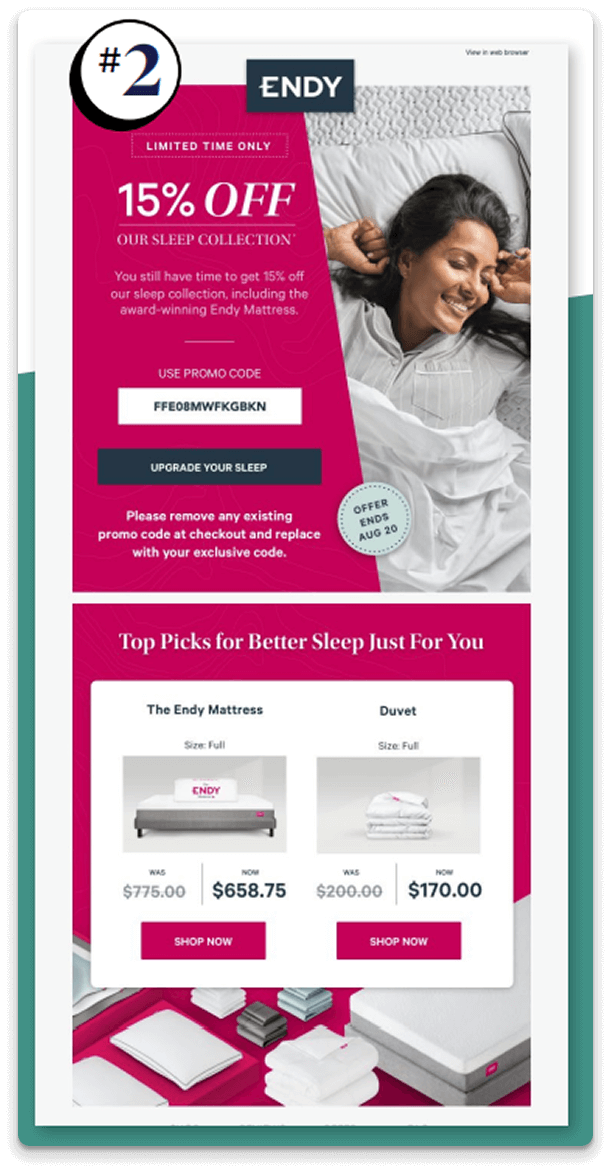
image source: endy
Better still, their ‘top picks’ are accompanied by personalized discounts. These CTAs are twice as likely to convert as they are based on individual preferences.
AI-Powered Email Signatures for Passive Engagement
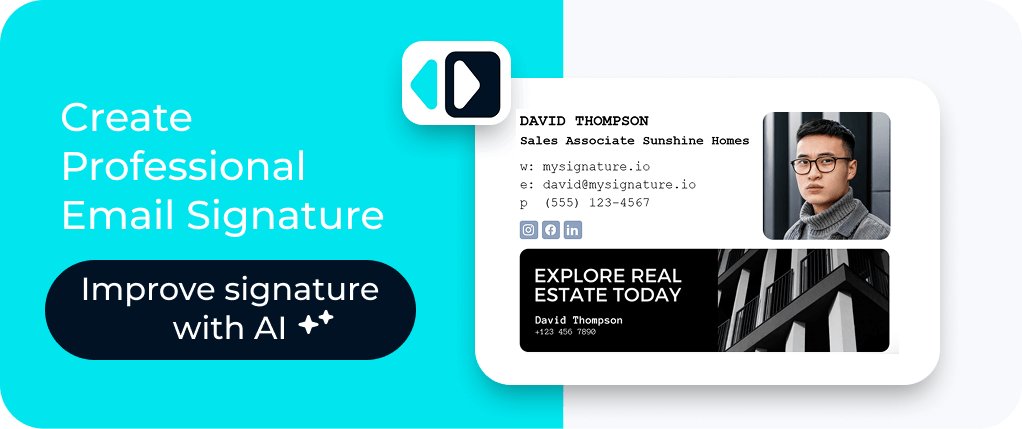
To keep calls-to-action fresh, another way to use AI for email marketing is through an AI-powered email signature.
Using tools like MySignature, you can add value to your email content by including personalized, automated CTAs in your one-to-one signatures.
MySignature works well when companies want consistent branding across employees or want to use email signatures as an additional communication channel, but it may not be necessary for teams that rarely email or require complex server-level setup.
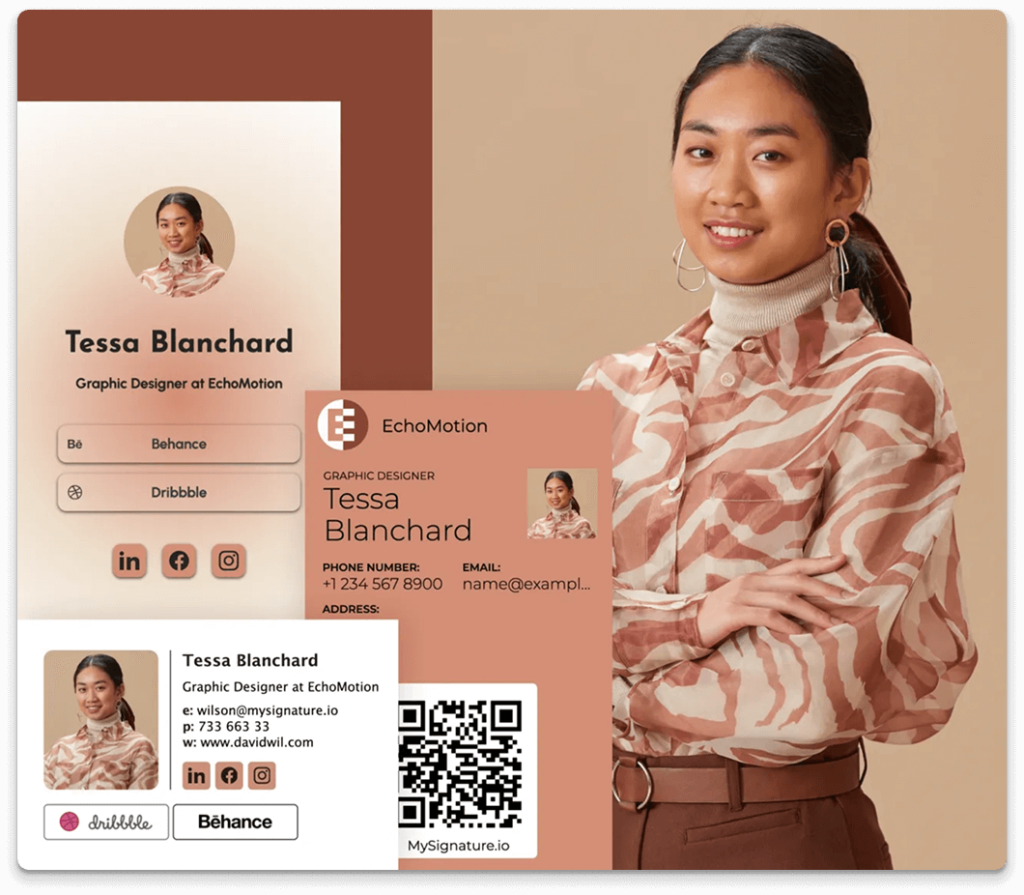
Better still, with smart fields and rule-based customization, brands can use MySignature to tailor signatures based on user attributes such as job title, location, or team, ensuring consistent branding while still feeling personal.
For engagement, the result here is increased click-through rates, stronger brand recall, and incremental gains from emails that would otherwise be purely transactional.
Smart Email Segmentation
When it comes to traditional email segmentation, many brands overlook real-time behaviour trends.
Segmenting subscribers based on fixed traits such as age, gender, and location overlooks a customer’s browsing activity and behavioural patterns, often resulting in target groups receiving irrelevant emails.
The best AI tools for email marketing group customers by complex behavioral patterns, not just basic demographics, helping brands target subscribers directly.
Hostinger Reach, for example, segments your target contact groups based on a prompt alone. By simply describing the audience you want to reach, Hostinger’s email marketing platform builds a ready-made segment based on your description, using contact data and engagement history.
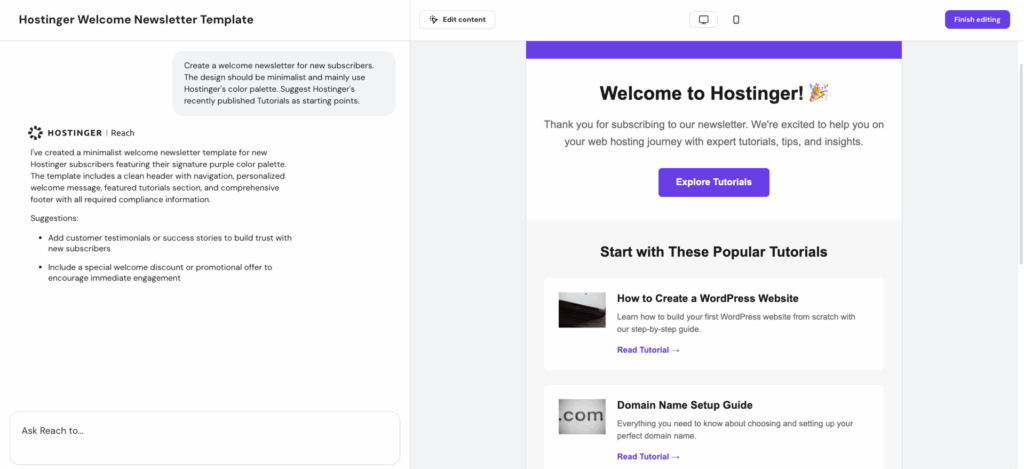
image source: hostinger
Using AI for email marketing is crucial when it comes to automating your segmentation. AI algorithms help your brand form natural behavioral clusters. Instead of following a rigid criterial, AI tools can identify groups of subscribers that behave in the same way. From ‘window shoppers’ to ‘frequent buyers’, AI can use this data to help you target your messages for a greater chance of engagement.
Grammarly uses AI for email marketing for this exact reason. The writing platform uses AI-powered email marketing tools to segment its demographic based on behavior signals.
For example, regularly engaged users receive emails packed full of value, such as weekly writing statistics and interesting performance insights.
Inactive subscribers trigger an automated re-engagement email:
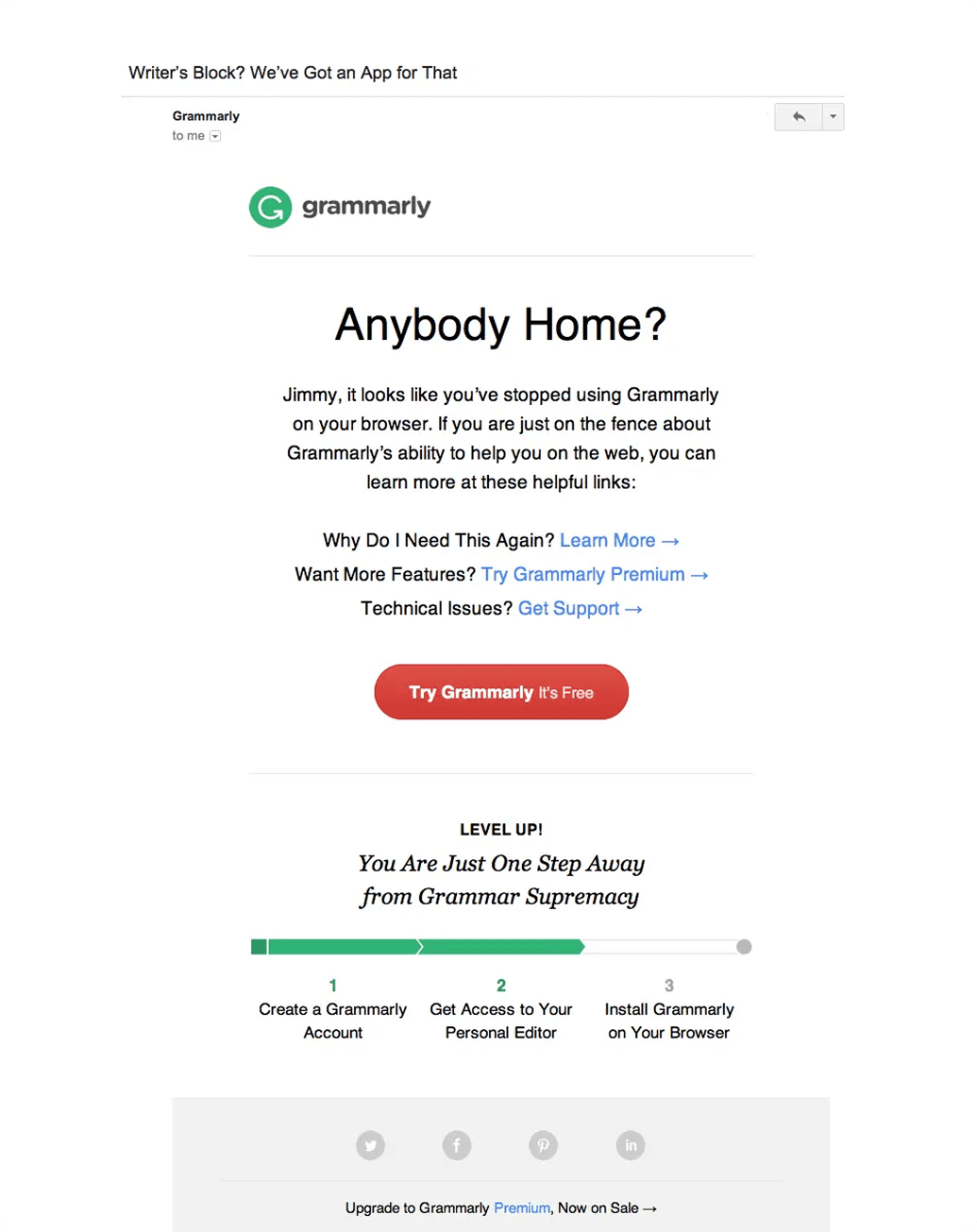
image source: getvero
Here, they offer subscribers a compelling reason to return, such as a discount for their premium plan or a section about their newest features.
These targeted emails speak directly to the consumer and encourage them to engage.
Subject Line Optimization
Using AI tools for email marketing is key if you want to upgrade your subject-line strategy.
According to experts at Phrasee, using AI to create email subject lines can increase open rates by 10%.
AI-powered email marketing tools can generate and test subject lines based on your audience’s behaviour stats, engagement metrics, and past interactions with the brand.
Aligning perfectly with AI-powered segmentation, automated subject lines are crafted based on specific target groups and are designed to stand out in the inbox.
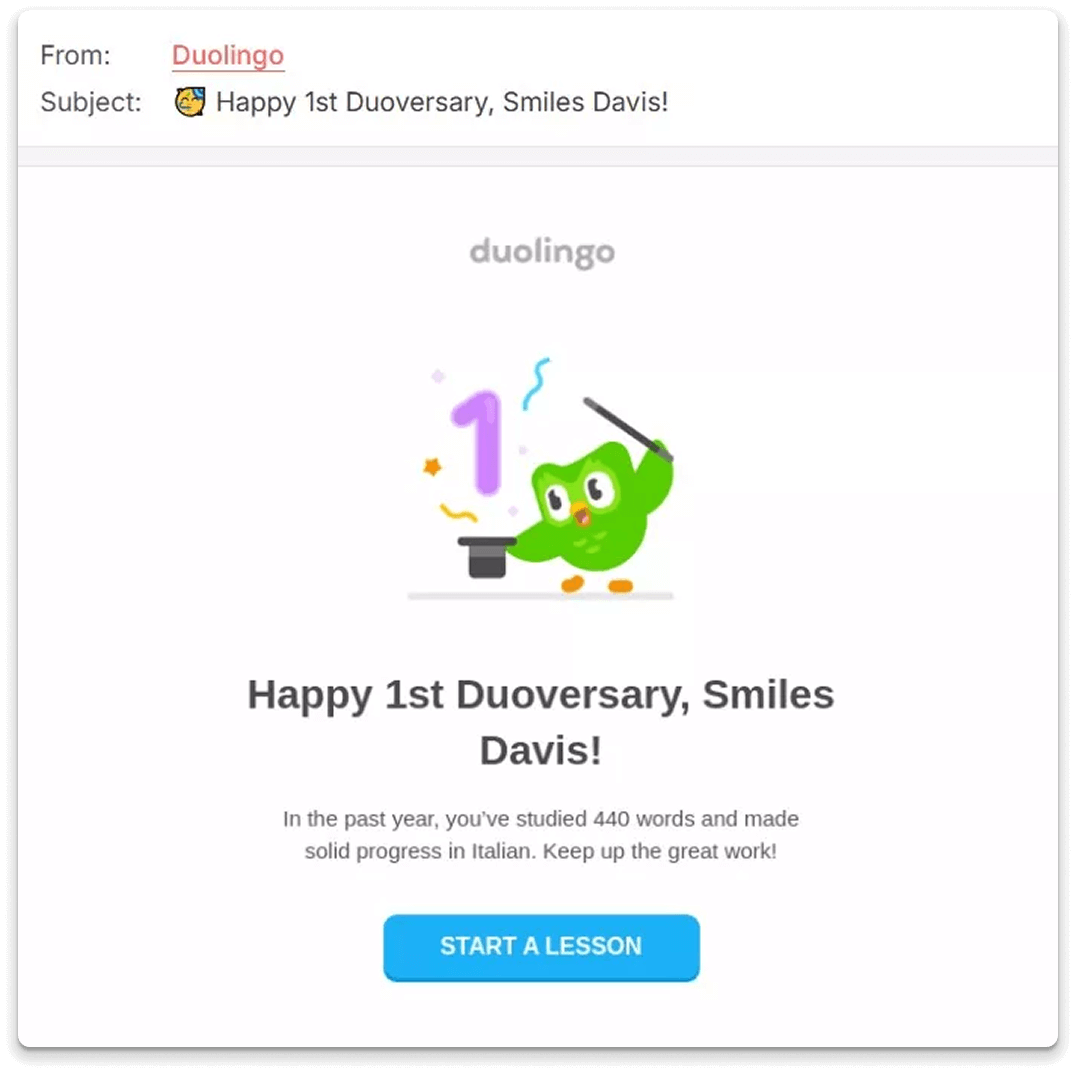
image source: omnisend
From subject line triggers based on subscriber birthdays or abandoned carts to personalized subjects containing the recipient’s name, the list of possibilities is endless.
Better still, using AI for email marketing makes it easier to test your subject lines, too. AI-powered email marketing tools can run complex tests on multiple variations of your subject lines to help identify top performers.
This is the key to optimizing results faster than manual methods.
Automated Workflow & Predictive Sending
AI can also be used to manage complex workflows when it comes to email marketing.
AI can manage complex workflows with ease, allowing your team to spend more time on creative tasks.
From triggering emails based on user actions such as cart abandonment to automating repetitive tasks such as follow-ups and reminder emails, AI is the perfect tool to leverage for maximising email engagement while reducing in-house effort.
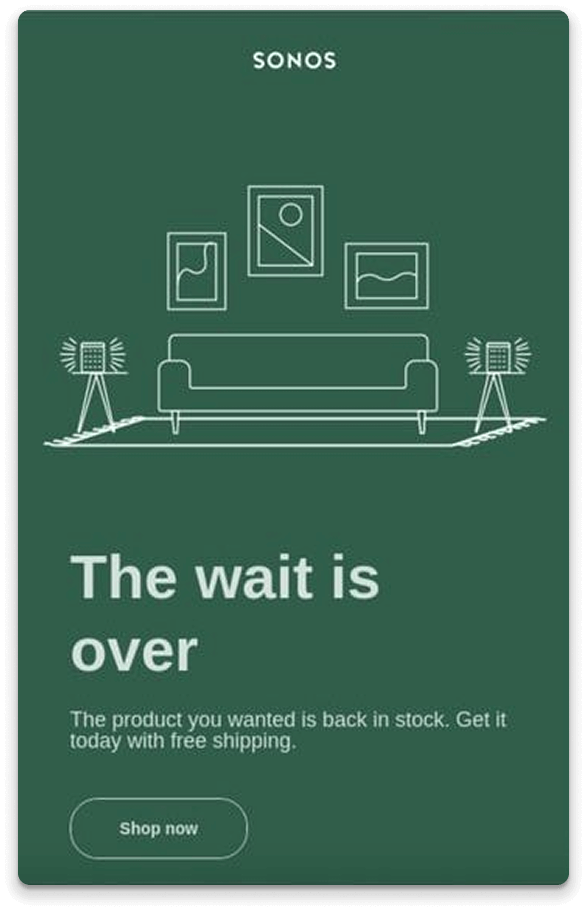
Email marketing automation can be set up for any trigger that works well for your brand. Online retailer Sonos, for example, uses a ‘back-in-stock’ email marketing automation to help re-engage consumers who just missed out on their favourite product.
source: sonos
Similar to Endy, Sonos aims to increase inbox engagement by reminding leads about their intended purchase.
Brands can also use email marketing automation when optimising their inbox send times and frequency.
While weekdays and mornings from 9-11 am are cited as the best times to send an email for initial engagement, AI-powered email marketing tools optimize this based on engagement data collected for every subscriber.
With the ability to track when a user has opened, clicked, or purchased in the past, AI-powered email marketing tools such as Klaviyo and ActiveCampaign offer a predictive sending feature that automatically sends your promotional emails at different times for different segments.
This ensures that you appear in the inbox during the optimal window for each user to receive an email.
How to Use AI For Email Marketing in 2026
As we step into a new era of email marketing automation, the way we use AI for email marketing is rapidly changing.
In 2026, brands should focus on using AI-powered tools to raise inbox engagement. With plenty of plugins on the market, AI can transform all aspects of your campaigns, from personalized sign-offs to predictive sending.
The key here is to use AI tools for email marketing when necessary, but still keep a hand in for the best results. The best marketing teams focus on enhancing their email marketing strategy, rather than replacing it with full-scale automation.